Antenna Handbook: 05/07/15

Ultra-Thin Indoor HDTV Antenna

There is no one magic antenna or antenna type that will deliver excellent TV reception in every
location. The main factors determining reception are the distance and direction from the TV
station transmitters to your home. Other factors include the transmitter's power and the height of
its tower, the terrain between the tower and your antenna, and the size and location of any large
buildings in the path of the transmission.
If you live within a few miles of the transmitter, and the signal path is relatively unobstructed,
you may be able to get adequate reception using a small set-top indoor antenna. But as you move
farther away, getting usable signal strength becomes trickier. This is where careful antenna
selection and installation become essential.
The information below will help you zero in on the type(s) of antenna that should work best for
you. Keep in mind that even in the same neighborhood reception conditions often vary from
house to house. For that reason, it's best to purchase your antenna from a dealer who offers no hassle returns with a money-back guarantee.


One of the good product recommend by customer reviews is Ultra Thin Indoor HDTV Antenna from AmazonBasics. These antennas coming with 4 types of model and range, from 25 Mile, 35 Mile, 50 Mile and 60 Mile. With 1 year limited warranty.  One of customer get almost 44 Digital Antenna channels found. This antenna for 50 miles range will worth your time and effort

Wi-Fi Antennas 802.11b/g and 802.11a and 802.11a/b/g antennas


Wi-Fi 2.4 GHz Antenna
The Speed of your wireless connection will vary depending on the strength of the signal you can receive and transmit. Antenna selection can therefore have a significant impact on the speed of your wireless link.


Types of Wi-Fi Antennas 
 There are two basic types of antennas for WLAN and cellular products :

Omnidirectional and directional. The two types are categorized by the direction in which they beam radio signals.

Omni-directional


Omnidirectional Antenna Pattern
http://www.amazon.com/gp/product/B004I5J2XY/ref=as_li_qf_sp_asin_il_tl?ie=UTF8&camp=1789&creative=9325&creativeASIN=B004I5J2XY&linkCode=as2&tag=1ststroller-20&linkId=2KCPQGRBB3MDSHPYOmni-directional antennas are designed to radiate signals equally in all directions. Use this type of antenna if you need to transmit from a central node, such as an access point, to users scattered all around the area. Omnidirectional antenna consist of 2,
Dipole antenna, and


Dipole Omnidirectional Antenna from TPLink Wi-Fi Antenna
Phonetone 6 dB 3G WCDMA Fiberglass Antenna

Fiberglass antenna


Directional Antennas
 

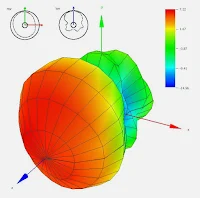
Directional Antenna Pattern
TPLink Directional Wi-Fi Antenna
Directional antennas provide a more focused signal than omnidirectional antennas. Signals are typically transmitted in an ovalshaped pattern with a beam width of only a few degrees. With higher gain, directional antennas can also be used outdoors to extend point-to-point links over a longer transmission distance, or to form a point-to-multipoint network.

Antenna Connectors

N Type Female Connector
PRSMA Connector
MCX Connector
Before you purchase an antenna for your wireless device, you should check the type of antenna connector that your device uses. You will need to buy an antenna with a matching connector. There are several types of antenna connectors, including MCX, TNC, N-type, SMA, and RP-SMA (RP stands for “reverse polarity” or “reverse ping”). On WLAN devices, the most commonly used antenna connector is PRSMA and N-type for IEEE 802.11 wireless applications. Make sure you are buying an antenna with the right connector type.