Antenna Handbook

do-it-yourself j antennas for 145 MHz drawings

 Here are some do-it-yourself J antennas for 145 MHz drawings:

  • J-pole antenna: A J-pole antenna is a simple and effective antenna that can be made from a few materials. It is a good option for beginners who are looking to build their own antenna.

To make a J-pole antenna, you will need:

* A piece of wire that is 1/4 wavelength long at 145 MHz.
* A connector for your radio.
* A way to mount the antenna.

The wire can be any type of metal, but copper is a good choice. The length of the wire will depend on the frequency you are using. For 145 MHz, the wire should be about 25 inches long.

The connector can be a BNC connector, PL-259 connector, or any other connector that is compatible with your radio.

The antenna can be mounted on a mast, a wall, or any other suitable surface.

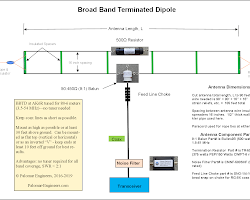
  • Terminated J-pole antenna: A terminated J-pole antenna is a variation of the J-pole antenna that has a resistor at the end of the antenna. The resistor helps to absorb the radio waves that are not transmitted or received by the antenna. This helps to prevent the antenna from radiating harmful interference.

To make a terminated J-pole antenna, you will need:

* A piece of wire that is 1/4 wavelength long at 145 MHz.
* A resistor that is rated for the power output of your radio.
* A connector for your radio.
* A way to mount the antenna.

The wire and resistor can be the same as for a standard J-pole antenna. The connector can be a BNC connector, PL-259 connector, or any other connector that is compatible with your radio.

The antenna can be mounted on a mast, a wall, or any other suitable surface.

  • Folded J-pole antenna: A folded J-pole antenna is a variation of the J-pole antenna that has a second piece of wire that is folded in half. The folded wire helps to improve the radiation pattern of the antenna.

To make a folded J-pole antenna, you will need:

* Two pieces of wire that are 1/4 wavelength long at 145 MHz.
* A connector for your radio.
* A way to mount the antenna.

The wires can be the same as for a standard J-pole antenna. The connector can be a BNC connector, PL-259 connector, or any other connector that is compatible with your radio.

The antenna can be mounted on a mast, a wall, or any other suitable surface.

These are just a few examples of do-it-yourself J antennas for 145 MHz. There are many other designs available, and you can experiment to find the one that works best for you.

It is important to note that building your own antenna can be a challenging project. If you are not comfortable working with electrical equipment, you should consult with a qualified amateur radio operator.

LW Antenna Design

A longwave (LW) antenna is an antenna that is designed to transmit or receive radio waves in the longwave band, which ranges from 150 to 525 kilohertz (kHz). LW antennas are typically large and cumbersome, as the wavelength of longwave radio waves is very long.

Here are some of the most common types of LW antennas:

  • Vertical antenna: A vertical antenna is the simplest type of LW antenna. It consists of a single vertical conductor, such as a metal rod or pipe. The length of the antenna should be one-quarter of the wavelength of the radio waves it is designed to transmit or receive.
  • Loop antenna: A loop antenna is a circular or elliptical antenna. It is made up of a single conductor that is bent into a circle or ellipse. The diameter of the loop should be one-half of the wavelength of the radio waves it is designed to transmit or receive.
  • Ground-plane antenna: A ground-plane antenna is a vertical antenna that is surrounded by a ground plane. The ground plane is a conducting surface, such as a metal sheet or a network of wires, that is placed below the antenna. The ground plane helps to improve the radiation pattern of the antenna.
  • Terminated antenna: A terminated antenna is an antenna that is terminated in a resistor. The resistor absorbs the radio waves that are not transmitted or received by the antenna. This helps to prevent the antenna from radiating harmful interference.

The design of an LW antenna depends on a number of factors, including the frequency band it is designed to operate in, the desired radiation pattern, and the amount of space available.

If you are planning to build an LW antenna, it is important to consult with a qualified antenna engineer to ensure that the antenna is designed correctly.

Here are some of the things to consider when designing an LW antenna:

  • Frequency band: The frequency band that the antenna is designed to operate in will determine the length of the antenna.
  • Radiation pattern: The radiation pattern of an antenna describes how the radio waves are emitted from the antenna. There are many different radiation patterns that can be used for LW antennas.
  • Space available: The amount of space available will determine the size and shape of the antenna.
  • Cost: The cost of the antenna will depend on the materials used and the complexity of the design.

Once you have considered these factors, you can start designing your LW antenna. There are many resources available to help you design an antenna, such as books, websites, and software programs.

best web hosting for ecommerce

 Here are some of the best web hosting providers for ecommerce:

  • Shopify: Shopify is a hosted ecommerce platform that makes it easy to set up and manage an online store. They offer a wide range of features, including a drag-and-drop website builder, a payment processor, and a shipping manager.
  • WooCommerce: WooCommerce is an open-source ecommerce plugin that can be used with WordPress. It is a popular choice for businesses that want more control over their website and their ecommerce platform.
  • BigCommerce: BigCommerce is a hosted ecommerce platform that is known for its scalability and performance. They offer a wide range of features, including a drag-and-drop website builder, a payment processor, and a shipping manager.
  • Magento: Magento is an open-source ecommerce platform that is known for its flexibility and customization options. It is a good choice for businesses that need a powerful and scalable ecommerce platform.
  • Wix: Wix is a hosted website builder that can also be used to create an ecommerce store. They offer a drag-and-drop website builder, a payment processor, and a shipping manager.

When choosing a web hosting provider for your ecommerce store, it is important to consider the following factors:

  • Your budget: Ecommerce hosting can range in price from a few dollars per month to hundreds of dollars per month. Choose a plan that fits your budget.
  • Your needs: What features do you need from a web hosting provider? Do you need a hosted platform or an open-source platform? Do you need a payment processor? Do you need a shipping manager?
  • Your level of experience: If you are new to ecommerce, you may want to choose a provider that offers a user-friendly interface and good customer support.

I hope this helps!

best web hosting service for small business

 Here are some of the best web hosting services for small businesses:

  • Bluehost: Bluehost is one of the most popular web hosting providers and is known for its affordable plans and good customer support. They offer a wide range of features, including a free domain name, unlimited bandwidth, and 24/7 support.
  • HostGator: HostGator is another popular option that offers a variety of features and plans to fit the needs of small businesses. They also offer a free domain name and 24/7 support.
  • SiteGround: SiteGround is a good option for small businesses that are looking for a reliable and secure hosting provider. They offer a wide range of features, including SSD storage, free SSL certificate, and 99.9% uptime guarantee.
  • A2 Hosting: A2 Hosting is a fast and reliable hosting provider that is known for its excellent customer support. They offer a wide range of features, including a free SSL certificate, 99.9% uptime guarantee, and 24/7 support.
  • DreamHost: DreamHost is a good option for small businesses that are looking for a budget-friendly hosting provider. They offer a wide range of features, including a free domain name, unlimited bandwidth, and 24/7 support.

When choosing a web hosting service for your small business, it is important to consider the following factors:

  • Your budget: Web hosting can range in price from a few dollars per month to hundreds of dollars per month. Choose a plan that fits your budget.
  • Your needs: What features do you need from a web hosting provider? Do you need a free domain name? Do you need unlimited bandwidth? Do you need 24/7 support?
  • Your level of experience: If you are new to web hosting, you may want to choose a provider that offers a user-friendly interface and good customer support.

I hope this helps!

Best Antivirus for PC


There are many great antivirus software options for PC, but some of the best include:

  • Bitdefender: This software offers excellent protection against malware, ransomware, and other threats. It is also very easy to use.
  • Norton: This software is another great option for comprehensive protection against malware and other threats. It also includes features like a VPN and password manager.
  • McAfee: This software is a good option for businesses and families. It offers a variety of features, including antivirus, firewall, and parental controls.
  • Avast: This software offers a wide range of features, including antivirus, firewall, and VPN. It is also very affordable.
  • Kaspersky: This software is known for its ease of use and its ability to protect against a wide range of threats.

When choosing an antivirus software for PC, it is important to consider your specific needs and requirements. Some factors to consider include:

  • The level of protection you need: If you are concerned about malware and other threats, you will need a software that offers comprehensive protection.
  • The features you need: Some antivirus software also includes features like a VPN, password manager, and parental controls.
  • Your budget: Antivirus software can range in price from free to hundreds of dollars per year. Choose a plan that fits your budget and your needs.

It is also important to note that no antivirus app can guarantee 100% protection. However, by using a reputable antivirus app and following good security practices, you can help to protect your PC from malware and other online threats.

Here are some good security practices to follow:

  • Keep your PC's software up to date. Software updates often include security fixes for vulnerabilities that could be exploited by malware.
  • Be careful about what websites you visit and what files you download. Only visit websites that you trust and only download files from trusted sources.
  • Do not click on links in emails or text messages from unknown senders. These links could lead to malicious websites.
  • Use a strong password for your PC. Your password should be at least 8 characters long and include a mix of upper and lowercase letters, numbers, and symbols.
  • Enable two-factor authentication for your important accounts. This will add an extra layer of security to your accounts.
  • Use a firewall to protect your PC from unauthorized access.
  • Back up your data regularly. This way, if your PC is infected with malware, you can restore your data from a backup.

By following these security practices, you can help to protect your PC from malware and other online threats.