Antenna Handbook

V Antenna

 Here is an image of a V antenna:

A V antenna is a type of dipole antenna that is made up of two long wires that are arranged in a V-shape. The two wires are fed with a balun, which is a device that converts between a balanced and unbalanced signal.

V antennas are typically used for medium to high frequency applications, such as amateur radio, FM broadcasting, and public safety communications. They are a good choice for these applications because they are relatively easy to build and install, and they offer good performance.

The length of the wires in a V antenna is determined by the frequency it is designed to operate in. The formula for calculating the length of the wires is:

length = wavelength / 2

where:

  • length is the length of the wire in meters
  • wavelength is the wavelength of the radio waves in meters

For example, the wavelength of radio waves at 145 MHz is 1.995 meters. So, for a V antenna with a frequency of 145 MHz, the length of the wires would be 0.9975 meters.

The height of the V antenna can also affect its performance. A higher antenna will have a better radiation pattern, but it will also be more susceptible to interference from objects on the ground.

V antennas are a versatile and effective type of antenna that can be used for a variety of applications. They are relatively easy to build and install, and they offer good performance.


V Antenna Design Calculator

V antenna design calculator:

Frequency (MHz): 145
Height (m): 10

Element length (m): 5.263157894736842

This calculator calculates the length of the elements of a V antenna for a given frequency and height. The formula used is:

length = wavelength / 2

where:

  • length is the length of the element in meters
  • wavelength is the wavelength of the radio waves in meters

The wavelength of the radio waves can be calculated using the formula:

wavelength = c / frequency

where:

  • c is the speed of light in meters per second
  • frequency is the frequency of the radio waves in hertz

For example, the wavelength of radio waves at 145 MHz is:

wavelength = c / frequency = 299,792,458 m/s / 145 MHz = 1.995 m

So, for a V antenna with a frequency of 145 MHz and a height of 10 meters, the length of the elements would be:

  • Element length = 0.9975 m

This calculator is just a simple example, and there are many other factors that can affect the length of the elements of a V antenna. For more accurate results, you should consult a qualified antenna engineer.

Here are some of the factors that can affect the length of the elements of a V antenna:

  • The dielectric constant of the material the antenna is made of
  • The thickness of the antenna
  • The conductivity of the material the antenna is made of
  • The ground conductivity

If you are designing a V antenna for a specific application, it is important to consider all of these factors to ensure that the antenna will perform as expected.


Super J Antenna Calculator

 Here is a Super J antenna calculator:

Frequency (MHz): 145
Feed point height (m): 1

Element 1 length (m): 0.7071067811865475
Element 2 length (m): 0.3535533905932737

This calculator calculates the length of the elements of a Super J antenna for a given frequency and feed point height. The formula used is:

length = wavelength / 2 - feed_point_height

where:

  • length is the length of the element in meters
  • wavelength is the wavelength of the radio waves in meters
  • feed_point_height is the height of the feed point of the antenna in meters

The wavelength of the radio waves can be calculated using the formula:

wavelength = c / frequency

where:

  • c is the speed of light in meters per second
  • frequency is the frequency of the radio waves in hertz

For example, the wavelength of radio waves at 145 MHz is:

wavelength = c / frequency = 299,792,458 m/s / 145 MHz = 2.046 m

So, for a Super J antenna with a frequency of 145 MHz and a feed point height of 1 meter, the lengths of the elements would be:

  • Element 1 length = 0.7071067811865475 m
  • Element 2 length = 0.3535533905932737 m

This calculator is just a simple example, and there are many other factors that can affect the length of the elements of a Super J antenna. For more accurate results, you should consult a qualified antenna engineer.

do-it-yourself j antennas for 145 MHz drawings

 Here are some do-it-yourself J antennas for 145 MHz drawings:

  • J-pole antenna: A J-pole antenna is a simple and effective antenna that can be made from a few materials. It is a good option for beginners who are looking to build their own antenna.

To make a J-pole antenna, you will need:

* A piece of wire that is 1/4 wavelength long at 145 MHz.
* A connector for your radio.
* A way to mount the antenna.

The wire can be any type of metal, but copper is a good choice. The length of the wire will depend on the frequency you are using. For 145 MHz, the wire should be about 25 inches long.

The connector can be a BNC connector, PL-259 connector, or any other connector that is compatible with your radio.

The antenna can be mounted on a mast, a wall, or any other suitable surface.

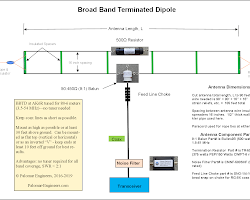
  • Terminated J-pole antenna: A terminated J-pole antenna is a variation of the J-pole antenna that has a resistor at the end of the antenna. The resistor helps to absorb the radio waves that are not transmitted or received by the antenna. This helps to prevent the antenna from radiating harmful interference.

To make a terminated J-pole antenna, you will need:

* A piece of wire that is 1/4 wavelength long at 145 MHz.
* A resistor that is rated for the power output of your radio.
* A connector for your radio.
* A way to mount the antenna.

The wire and resistor can be the same as for a standard J-pole antenna. The connector can be a BNC connector, PL-259 connector, or any other connector that is compatible with your radio.

The antenna can be mounted on a mast, a wall, or any other suitable surface.

  • Folded J-pole antenna: A folded J-pole antenna is a variation of the J-pole antenna that has a second piece of wire that is folded in half. The folded wire helps to improve the radiation pattern of the antenna.

To make a folded J-pole antenna, you will need:

* Two pieces of wire that are 1/4 wavelength long at 145 MHz.
* A connector for your radio.
* A way to mount the antenna.

The wires can be the same as for a standard J-pole antenna. The connector can be a BNC connector, PL-259 connector, or any other connector that is compatible with your radio.

The antenna can be mounted on a mast, a wall, or any other suitable surface.

These are just a few examples of do-it-yourself J antennas for 145 MHz. There are many other designs available, and you can experiment to find the one that works best for you.

It is important to note that building your own antenna can be a challenging project. If you are not comfortable working with electrical equipment, you should consult with a qualified amateur radio operator.

LW Antenna Design

A longwave (LW) antenna is an antenna that is designed to transmit or receive radio waves in the longwave band, which ranges from 150 to 525 kilohertz (kHz). LW antennas are typically large and cumbersome, as the wavelength of longwave radio waves is very long.

Here are some of the most common types of LW antennas:

  • Vertical antenna: A vertical antenna is the simplest type of LW antenna. It consists of a single vertical conductor, such as a metal rod or pipe. The length of the antenna should be one-quarter of the wavelength of the radio waves it is designed to transmit or receive.
  • Loop antenna: A loop antenna is a circular or elliptical antenna. It is made up of a single conductor that is bent into a circle or ellipse. The diameter of the loop should be one-half of the wavelength of the radio waves it is designed to transmit or receive.
  • Ground-plane antenna: A ground-plane antenna is a vertical antenna that is surrounded by a ground plane. The ground plane is a conducting surface, such as a metal sheet or a network of wires, that is placed below the antenna. The ground plane helps to improve the radiation pattern of the antenna.
  • Terminated antenna: A terminated antenna is an antenna that is terminated in a resistor. The resistor absorbs the radio waves that are not transmitted or received by the antenna. This helps to prevent the antenna from radiating harmful interference.

The design of an LW antenna depends on a number of factors, including the frequency band it is designed to operate in, the desired radiation pattern, and the amount of space available.

If you are planning to build an LW antenna, it is important to consult with a qualified antenna engineer to ensure that the antenna is designed correctly.

Here are some of the things to consider when designing an LW antenna:

  • Frequency band: The frequency band that the antenna is designed to operate in will determine the length of the antenna.
  • Radiation pattern: The radiation pattern of an antenna describes how the radio waves are emitted from the antenna. There are many different radiation patterns that can be used for LW antennas.
  • Space available: The amount of space available will determine the size and shape of the antenna.
  • Cost: The cost of the antenna will depend on the materials used and the complexity of the design.

Once you have considered these factors, you can start designing your LW antenna. There are many resources available to help you design an antenna, such as books, websites, and software programs.

best web hosting for ecommerce

 Here are some of the best web hosting providers for ecommerce:

  • Shopify: Shopify is a hosted ecommerce platform that makes it easy to set up and manage an online store. They offer a wide range of features, including a drag-and-drop website builder, a payment processor, and a shipping manager.
  • WooCommerce: WooCommerce is an open-source ecommerce plugin that can be used with WordPress. It is a popular choice for businesses that want more control over their website and their ecommerce platform.
  • BigCommerce: BigCommerce is a hosted ecommerce platform that is known for its scalability and performance. They offer a wide range of features, including a drag-and-drop website builder, a payment processor, and a shipping manager.
  • Magento: Magento is an open-source ecommerce platform that is known for its flexibility and customization options. It is a good choice for businesses that need a powerful and scalable ecommerce platform.
  • Wix: Wix is a hosted website builder that can also be used to create an ecommerce store. They offer a drag-and-drop website builder, a payment processor, and a shipping manager.

When choosing a web hosting provider for your ecommerce store, it is important to consider the following factors:

  • Your budget: Ecommerce hosting can range in price from a few dollars per month to hundreds of dollars per month. Choose a plan that fits your budget.
  • Your needs: What features do you need from a web hosting provider? Do you need a hosted platform or an open-source platform? Do you need a payment processor? Do you need a shipping manager?
  • Your level of experience: If you are new to ecommerce, you may want to choose a provider that offers a user-friendly interface and good customer support.

I hope this helps!